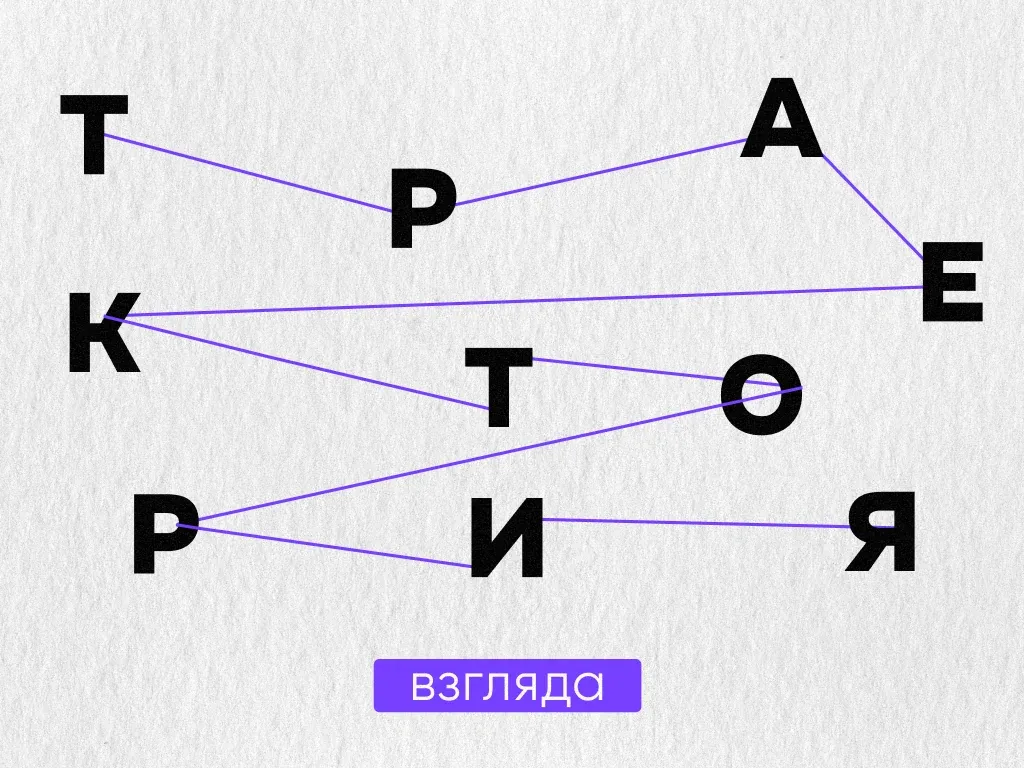
Small big secrets of brands

In short
Brand recognition is built from details: colors, logo elements, signature sounds and packaging. We look at examples from well-known companies.
Brand recognition does not always depend on large advertising campaigns and big budgets. Sometimes small but thoughtful details play an important role: a brand color, an unusual logo element, a familiar sound or packaging.
Well-known companies use such techniques to form associations with their product and stay in the audience’s memory.
Let’s look at examples of how these details work.
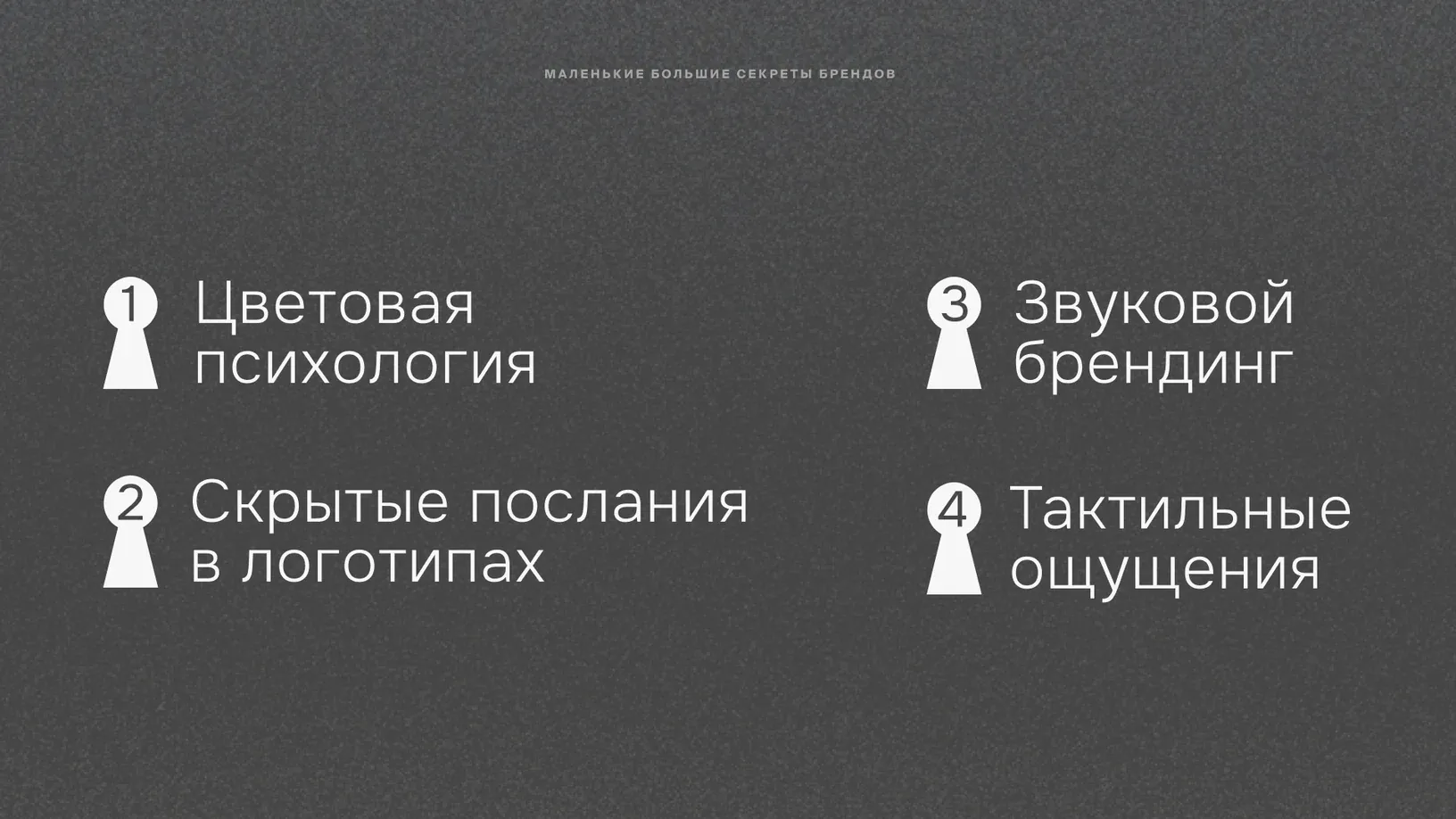
Color psychology: how colors affect perception
Color is one of the elements by which an audience can recognize a brand.
- McDonald’s. Red and yellow are the company’s characteristic colors. The original article claims that they stimulate appetite and cause a feeling of hunger.
- Tiffany & Co. The signature shade Tiffany Blue has become a recognizable element of the brand. A box of the characteristic turquoise color is associated with expensive jewelry and a special gift.
Tip: choose colors taking into account which associations you want to create.
Blue is often linked with trust, and orange with energy. At the same time the perception of a color depends not only on the shade itself but also on the context of its use.
Hidden messages in logos
Some companies use additional meanings that become visible on a close look at the logo.
- FedEx. An arrow forms between the letters “E” and “x”. It symbolizes delivery speed.
- Amazon. An arrow connects the letters “A” and “Z”, referring to the idea of a wide range — from the beginning to the end of the alphabet.
Tip: think about whether your logo can contain an additional meaning.
A small detail that the user does not notice right away can attract attention and become a reason to tell others about the brand.
Sound branding: a melody that stays in memory
Recognition can be built not only by visual means.
Characteristic sounds can also evoke associations with certain companies.
- Windows and Intel. Their signature sounds have become recognizable sound elements of products and brands.
- Nokia. The characteristic ringtone melody has become fixed in the audience’s perception as part of the company’s image.
Tip: if a sound suits your product, think about creating your own audio logo.
It should be simple and memorable so that the audience can link it with the brand.
Tactile sensations: emotions through packaging
The perception of a product is formed not only by how it looks but also by physical sensations.
Apple pays attention to iPhone packaging. Smooth surfaces, materials and the unboxing process itself become part of the interaction with the product.
For the buyer a box can be not just a way to store and transport the device but an additional element of perceiving the brand.
Tip: if you have a physical product, pay attention to the packaging.
Materials and tactile sensations can complement the visual impression and help form the right associations.
Bet on details
Colors, logos, sounds and packaging seem like small elements, but together they form a company’s recognizable image.
The more consistently such details are used, the more whole the impression of the brand can become.
Look for your own solutions or rethink familiar techniques.
The buyer perceives not only the goods themselves but also the emotions linked with them.
Try giving more attention to details and see how the audience’s reaction changes.
Perhaps it will be a brand color, an unusual logo detail or a characteristic sound that your brand is recognized by.
Questions on the topic
Which details help raise brand recognition?
Brand colors, symbols in logos, characteristic sounds and packaging features.
Which hidden elements are there in well-known logos?
In the FedEx logo an arrow forms between the letters E and x, and the Amazon arrow connects A and Z.
How does packaging affect brand perception?
Materials, texture and the feeling of unboxing can create additional associations with the product and the company.