Trash is trendy: why brands choose ugly design

In short
Deliberately ugly design helps brands stand out against the familiar aesthetic. We look at examples from Balenciaga, Crocs and unusual logos.
Ugly design is one way to stand out against the familiar aesthetic. While brands strive for a flawless visual image, the opposite approach appears: deliberately rough forms, unusual proportions and visual chaos.
Glossy Instagram feeds have taught the audience to expect neat design. But some brands consciously break these rules.
Rough fonts, “crooked” logos and sloppy shapes become part of the visual language. Why do companies make things ugly on purpose and how can it affect sales?
When ugly becomes a trend
Balenciaga created a cult of unusual sneakers
Balenciaga turned an unusual aesthetic into a recognizable part of its image.
The Triple S model is chunky sneakers that look deliberately bulky and as if worn out. Their unusual shape attracted fans of fashion experiments.
The Defender model looks even more unusual: its massive construction resembles shoes from a post-apocalyptic world.
A separate example is the Paris Sneaker. These sneakers look as if they had been worn for many years and pulled out of an old wardrobe.
Despite the unfamiliar look, such shoes attract buyers willing to pay significant sums for them.
This is the marketing technique: the look that is usually seen as a flaw becomes the product’s distinguishing feature.
Crocs: how an object of ridicule became fashionable
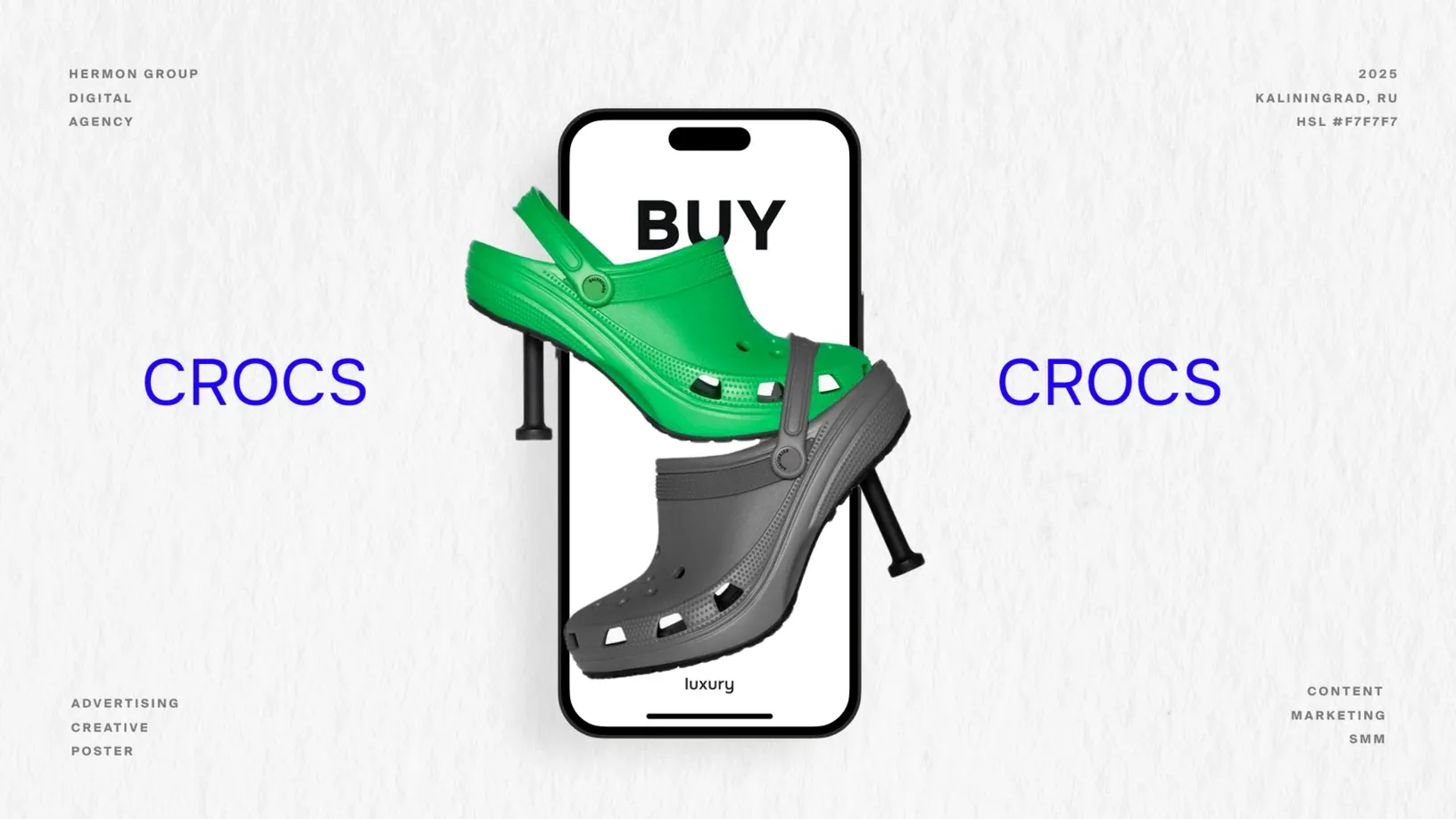
Crocs were long seen as shoes for the dacha and everyday household tasks. Their unusual look often became a reason for jokes.
However, the perception of the brand changed. Crocs became part of fashionable looks, and the collaboration with Balenciaga drew additional attention to their design.
The original material states that the price of some collaboration models reached $850.
What changed? First of all, perception.
When an unusual item starts being used by stylists and fashion brands, the audience may see attractiveness where before it noticed only a strange shape.
The Ugly Logo Movement — a trend for unusual logos
For decades brands invested in creating expressive and elegant logos. Over time, however, an interest appeared in simpler and deliberately unfamiliar solutions.
Balenciaga, Burberry and Saint Laurent dropped some of their former brand details in favor of concise sans-serif fonts.
As a result the logos began to look simpler and sometimes even seemed insufficiently worked out.
Why can such an approach attract attention?
- Simple shapes are easier to take in.
- Deliberate carelessness can make the visual image less formal and closer to the audience.
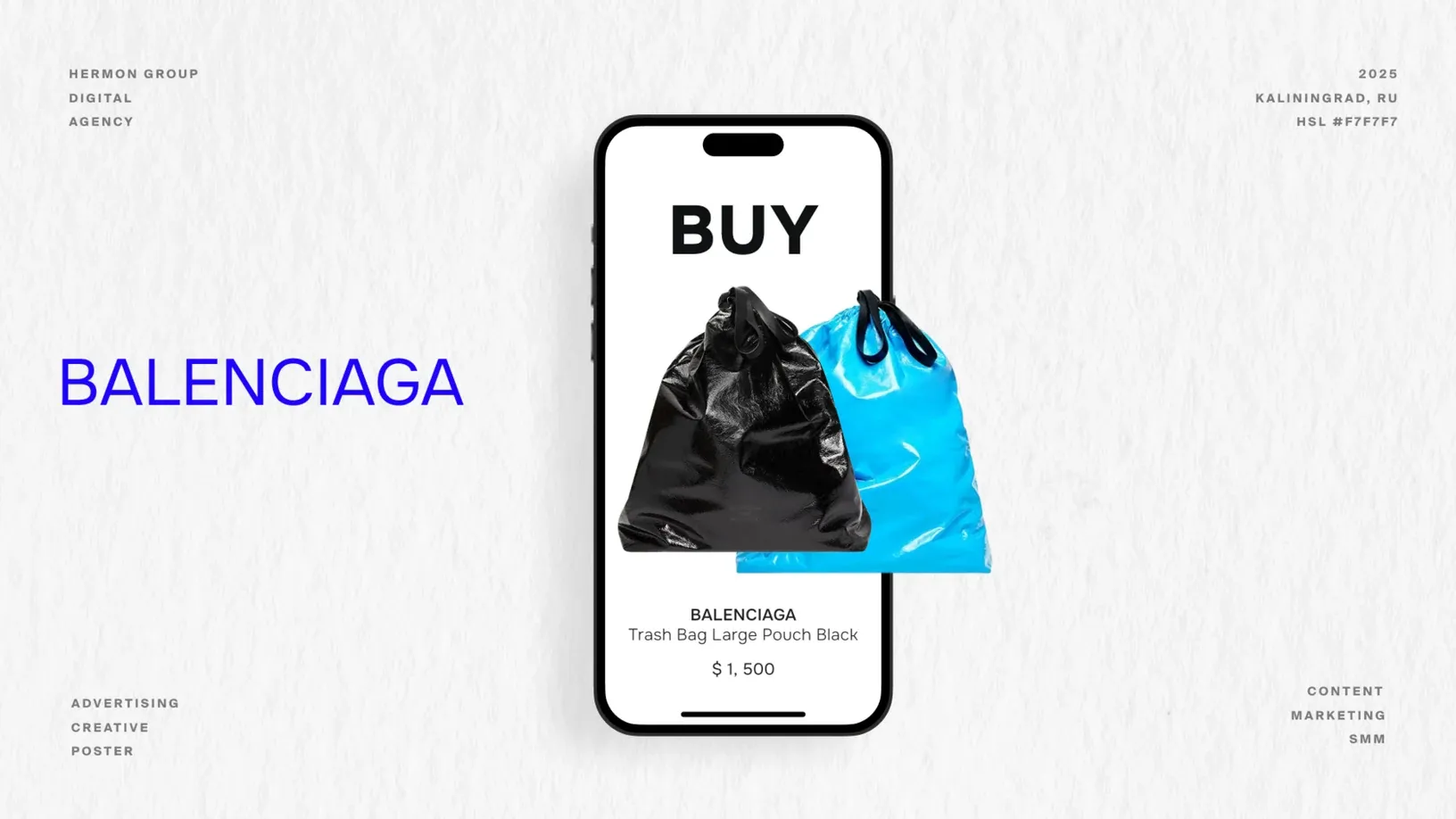
A $1,500 bag
Another example is a Balenciaga bag resembling an ordinary plastic bag.
The original article gives the price of $1,500. A similar Celine product is also mentioned.
At first glance it is unclear why you would pay a significant sum for an accessory resembling a supermarket bag.
But the idea is built exactly on this contrast: a familiar object gets a different meaning thanks to the brand and context.
So a play with the perception of value arises, which marketers can use to attract attention.
Why ugly design attracts attention
Deliberately unusual aesthetics have several features.
- A wish to stand out. When most brands strive for a neat visual image, carelessness becomes a noticeable contrast.
- Rethinking consumption. Well-known brands can experiment with familiar ideas of a product’s attractiveness.
- The cyclical nature of fashion. Aesthetic preferences change. What is perceived as strange can become in demand over time.
Ugly design does not necessarily mean the absence of an idea. Sometimes conscious work with the audience’s perception stands behind an unusual form.
And how do you feel about an unusual aesthetic?
Deliberately rough forms, chunky shoes and unfamiliar logos show how differently design can be perceived.
What seems a failed solution to some becomes a way to express individuality for others.
And how do you feel about the Ugly Fashion aesthetic? Do you consider it an interesting direction or a passing fad?
* Owned by Meta, which is designated an extremist organization and banned in Russia.
Questions on the topic
What is Ugly Fashion?
It is an aesthetic of deliberately unusual, rough or unattractive forms in clothing, accessories and design.
Why do brands use deliberately ugly design?
Contrast with familiar visual standards helps attract attention and stand out among competitors.
Which brands use the Ugly Fashion aesthetic?
The article covers Balenciaga and Crocs, including chunky sneakers, unusual shoes and accessories.