The GTD system: how to manage tasks and your time
Work and productivity
The GTD system: how to manage tasks and your time
In short
GTD is a task organization method that frees your head from having to remember everything. We look at the system’s five steps: capture, clarify, organize, review and engage.
The GTD (Getting Things Done) system is a method of managing tasks and productivity. Its main idea is to write down all your tasks and not keep them in your head all the time.
When tasks are recorded, you do not have to remember each of them. This can lower stress and help you focus on doing the work.
In the GTD system large tasks are broken into small actions for which specific deadlines are set.
A regular review helps track tasks and projects, find weak points in how work is organized and make changes in time.

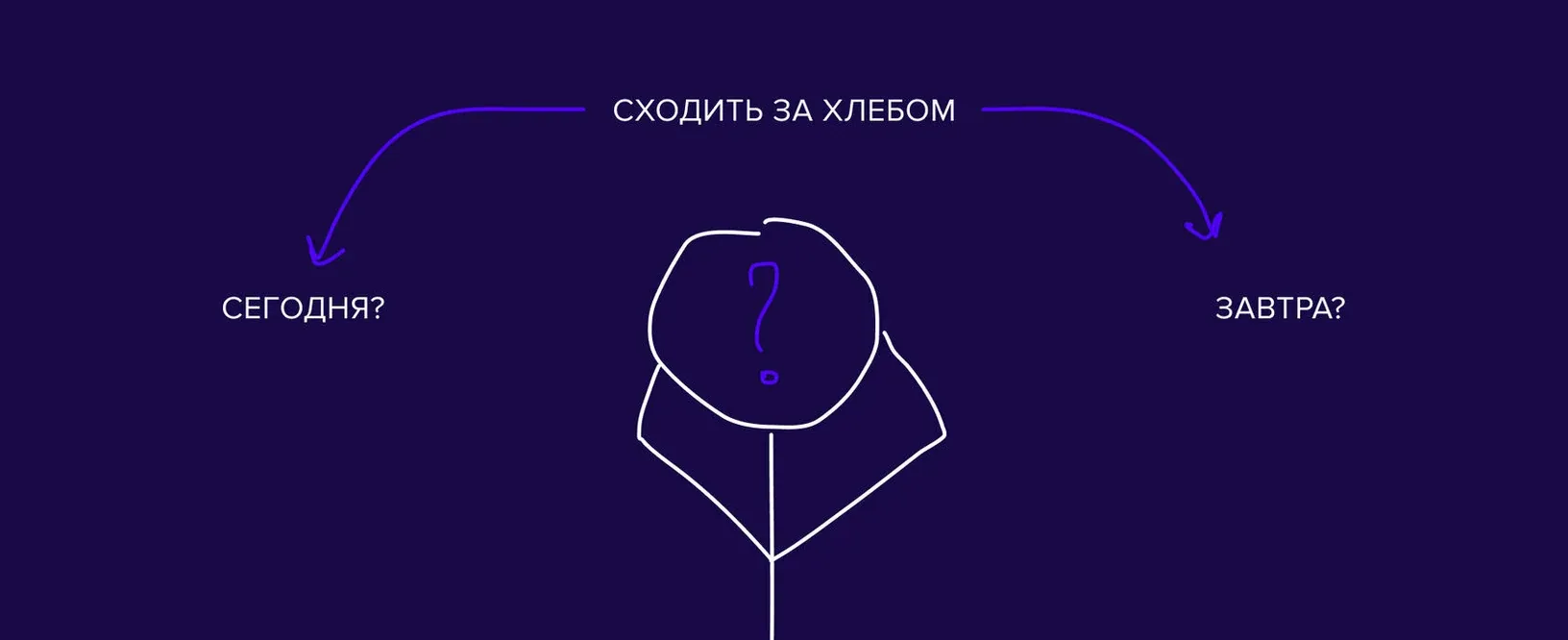
An example of a task for getting acquainted with the article.
The GTD method consists of five sequential steps. Let’s look at each of them.
Step 1. Capture tasks
The first stage of GTD is to move tasks from your head into a to-do list.
You need to collect everything that grabs your attention and requires further action.
For example, if you have an idea that could help the development of a startup, write it on paper or save it in a convenient tool.
At this stage you do not need to evaluate every idea or define its priority.
Your list may include simple everyday matters, individual ideas and long-term projects.
The main thing is to record the information so that you can return to it later.

An example of moving tasks into a list.
Step 2. Process information
After capturing, you need to review all the entries and decide what to do with them.
For each item ask yourself a few questions:
- What kind of task is it?
- What next action needs to be taken?
- How long will it take?
If another person should do the task, it can be delegated.
If the action does not require immediate completion, it can be put off to a later date.
Think about which specific steps will be needed to carry out each idea.
If an entry does not imply any action, choose one of three options:
- Delete it.
- Move it to the “Maybe / someday” list.
- Keep it as reference material.
An example of sorting and processing tasks.
Step 3. Organize tasks
The next stage is classifying tasks and setting priorities.
It is important to understand the difference between a single action and a project.
A project is a multi-step task for which one action is not enough.
When organizing your affairs you need to take deadlines into account.
For example, if you want to apply for a startup program, determine in advance how long it will take to prepare the application.
After that single out the specific actions that need to be done.
When working with tasks it is important to understand what the next step will be.

An example of determining whether a task needs to be done.
Step 4. Weekly review
Priorities can change, so task lists need to be reviewed regularly.
The GTD system recommends doing a review once a week.
This lets you assess how much your actions bring you closer to your goals.
During the review check the following items:
- New ideas. Write down everything that has built up in your head during the week.
- Inbox. Distribute new tasks, ideas and dates to the relevant sections of the GTD system.
- Task list. Check that it is up to date, mark completed items and determine the next actions.
- Project lists. Make sure projects are still relevant. Assess which actions you managed to complete in the past week.
- “Maybe / someday” list. Decide whether it is time to move some deferred ideas into current tasks.
- Calendar. Check past and upcoming meetings and the relevance of scheduled events.
A regular review lets you keep the system in order and adjust plans in time.
Step 5. Take action
The fifth and final stage of GTD is actually doing the tasks.
If the previous steps are done, you can spend less time thinking about what needs to be done.
The tasks are already collected, processed and distributed.
What remains is to carry out the planned actions in order and mark the completed items.

Doing tasks according to the drawn-up plan.
Getting Things Done may suit those who prefer a structured approach to work and understand their own goals and priorities.
If you have many different tasks at the same time, the system will help put them in order and make the work process clearer.
To use GTD you can use special task management apps.
One of them is Trello, whose capabilities are covered in a separate article.
Questions on the topic
What is the GTD system?
Getting Things Done is a task and productivity management system based on recording tasks and consistently organizing how they are done.
What stages does GTD consist of?
The method includes five stages: capture, clarify, organize, review and engage.
How often should I review tasks in GTD?
The article recommends a review once a week, checking task lists, projects, the calendar and deferred items.